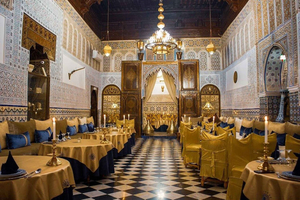
Marrakech is a city where history lives in every corner. Walking through the medina, you’ll find yourself surrounded by centuries-old walls and winding alleys that speak volumes about the past. Take the Saadian Tombs for example – hidden away for ages until just a century ago, they offer incredible intricate tile work that rarely gets the spotlight other spots do.
Don’t miss the Bahia Palace either. It’s flamboyant and peaceful at the same time, with lush gardens in the heart of the old city. If you’re around late afternoon, the light hits the mosaic tiles in a way that’s pure magic – trust me, it’s worth sticking around for. And here’s a local tip: try visiting Ben Youssef Madrasa early in the morning to avoid crowds and snap photos without a sea of tourists.
Marrakech’s walls aren’t just pretty stone. They tell stories about defense, trade, and culture shifts that shaped this city. And if you want to catch a glimpse of the old imperial pulse, the El Badi Palace ruins will give you a gritty look at former royal decadence mixed with the passage of time. So pack good walking shoes; you’ll want to linger and really absorb the atmosphere.
🌍 Part of the My Guide Network180+ destinations worldwide
If you’re serious about soaking in Marrakech’s historical vibe, don’t rush. The beauty is in lingering,sit on the benches near the Saadian Tombs or stroll the gardens of the Bahia Palace slowly. Early mornings are magical, not just because of fewer people but the soft warm light that makes colors pop. Also, avoid weekends if you want a more peaceful experience; locals often take their families out, which can mean crowds in the major spots.
One trick? Grab a mint tea at a café close to the city walls, like on Rue Mouassine, and just watch the medina wake up. History isn’t just what’s inside monuments,it’s the people who live alongside them every day.
Frequently Asked Questions
Got questions about Marrakech’s historical spots? I’ve got answers.
They’re tucked behind a nondescript gate in the Kasbah area, so it’s easy to walk right past if you’re not paying attention. A local guide or a helpful shopkeeper can point you in the right direction. Once inside, it’s surprisingly quiet compared to other tourist-heavy spots.
Yes, it’s open throughout the year, but summers can get hot and busy. I prefer mornings or late afternoons when the temperature drops and the palace gardens feel more inviting. Plus, the lighting is better for photos then.
No, it stopped being a religious school decades ago and now serves as a cultural monument. That said, its architecture and decorative craftsmanship give you a real sense of how education and religion mixed in old Marrakech.
El Badi isn’t polished or perfectly preserved, but that’s why it feels real. You get a sense of the grandeur it once had right next to the way time has worn it down. Plus, it’s a popular spot for local families and sometimes musicians, which adds atmosphere.
Absolutely. Check out the Mellah, the old Jewish quarter, where the architecture and narrow streets tell a different side of Marrakech’s past. It’s quieter and full of hidden narratives, especially near the Lazama Synagogue.